Google+

MyMenu1

Thursday, October 9, 2014

ROASTED BUTTERNUT PUMPKIN SEEDS (PEPITAS) - GLUTEN-FREE + SUPER EASY


My blog feed has been alive with PUMPKIN! Amazing, delicious, wondrous and unique was to use this delicious and versatile vegetable! I've already shared one pumpkin inspired recipe but here's another because you can never have too many. I like to think this one is a little but different anyway, utilising an often overlooked part of one of my favourite vegetables!

Of all the pumpkin varieties Butternut is by far my most-loved - sweet and nutty, it's amazing baked, roasted, steamed or boiled and mashed. But the deliciousness doesn't end with the flesh! The seeds from the butternut pumpkin make the best roasted homemade pepitas!

This recipe is super easy and so, so tasty you'll never waste the precious treasure hiding inside your butternut pumpkins again! I was always convinced it was too much effort and mess to rescue the seeds from the stringy innards of the pumpkin but it's actually super easy and even a little bit fun!


ROASTED BUTTERNUT PUMPKIN SEEDS

* Gluten-Free * 
Makes : Around 1/4 cup Seeds per Butternut  -
Takes : 5 Minutes Prep
15 Minutes Cooking -

1 Butternut Pumpkin (Or more, or less... This is pretty flexible!)
Spray Oil (Coconut is our favourite)
Kosher Salt
[Optional] You favourite herbs or spices for extra excitement

- Pre-heat oven to 200C (400C) and line a baking sheet with foil or parchment.

- After rescuing your seeds from their stringy pumpkin-net rinse them in a colander and pick out any remaining stringy stragglers.

- Place the seeds in a clean cloth to dry a bit. I have a dishcloth I use specifically for these kind of jobs - drying foods, squeezing tofu etc. You can use papertowel but make sure it's tough when wet because picking pieces of paper towel fluff off pumpkin seeds gets old very quickly.


- When the seeds are a bit drier place them on the prepared tray. Spray with the oil and sprinkle on your salt. I haven't given amounts as this is really a personal taste thing. I like my seeds pretty salty - I use about 1/2 tsp per 1/4 cup seeds. Gently mix to ensure the oil and salt is well distributed over all the seeds. 

- Extra Tip : Get the most out of heating up your oven by roasting lots of veg all at once! When making this batch I roasted the seeds, the pumpkin chunks, some sweet potato and a head of broccoli!


- Roast for 15 minutes, gently shaking and flipping as best you can after ten minutes. I generally know my seeds are done when the first one explodes! That's right, these tasty little morsels pop just like popcorn when they get heated. 

- When toasty brown allow the seeds to cool on the tray for maximum crispiness before storing in a air-tight container. If you are using optional seasonings add them now - if you add it before roasting the spices can burn too easily and make your snack bitter. Don't ask me how long these tasty little gems will keep for - they never last long enough around here for me to know! We eat them as is, sprinkled on salads, as extra crunch on top of cooked grains... All.the.ways....


Tuesday, October 7, 2014

BUILDING A PLANT-BASED GUEST BASKET


We are lucky enough to have some super special guests coming to stay in the next few weeks. Much of Danny's extended family lives in the Netherlands and his cousin and her partner are on the way to our sunny shores very soon!

While Danny has been busy giving our guest room a makeover...


Fueled By Gingerbread!

... I've been attempting to build a super-dooper plant-based guest basket for their arrival! First up I needed some ideas about what to include in the kit. Pinterest provided much needed guidance and inspiration and before I knew it I had a list of things I wanted to include : 

- Soap or Bodywash
- Body Lotion
- Shampoo & Conditioner
- Lip Balm
- Mints
- Sweet Treats : Chocolate, Cookies, Sweets
- Savory Snacks : Nut Mix, Crackers, Crisps
- Bottled Water
- Face Cloths
- Bath Towels
- Slippers
- Note Paper & Pen
- Brochures of places we'll be visiting and local attractions

Now that I had my list it was time to build the basket! Obviously I was keen to keep it plant-based but also locally sourced where possible and as eco-friendly as I could! This proved a little more 'involved' than I expected but lots of fun and a great way to discover new, exciting products and stores!

I found Google invaluable, as was Etsy! I also relied on my old fail-safe Lush - I love that they are so clear with their labeling of which of their products are vegan (of which there are heaps!)

I was very happy with the finished product! Do you want to see?


What ended up in the basket to spoil our special guests?

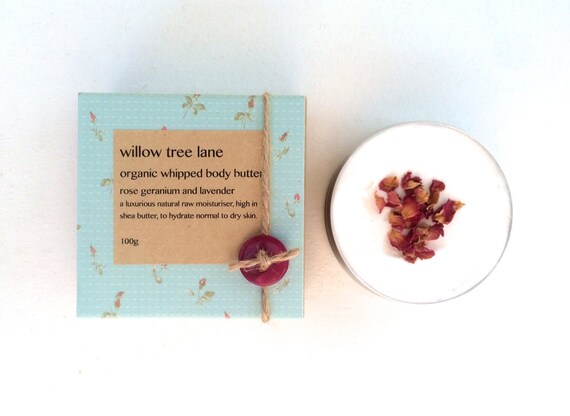
 ($12.50 for 100g tin or part of Natural Skincare Gift Set $24.95)
Available in Lavender and Rose Geranium, Citrus and Vanilla, Jasmine and Wild Orange or Meditate- a blend of Lavender, Frankincense, Cedarwood, Lemon, Wild Orange and Rosemary.
- Plant-Based - Handmade - Australian Made -


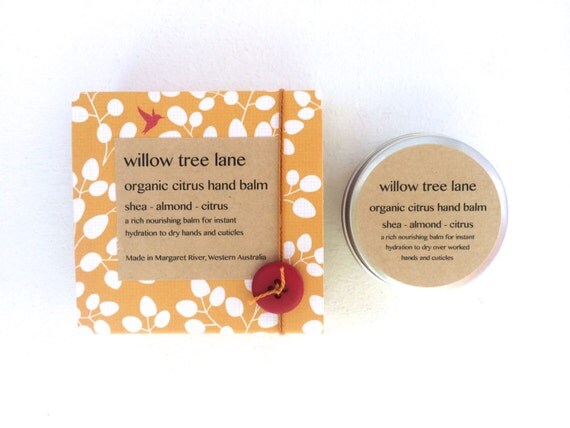
Organic Hand and Nail Balm -
 ($9.50 for 50g tin or part of Natural Skincare Gift Set $24.95)
An uplifting blend of pure essential oils of Orange, Lemon, Grapefruit, Mandarin and just a hint of Vanilla.
- Plant-Based - Handmade - Australian Made -


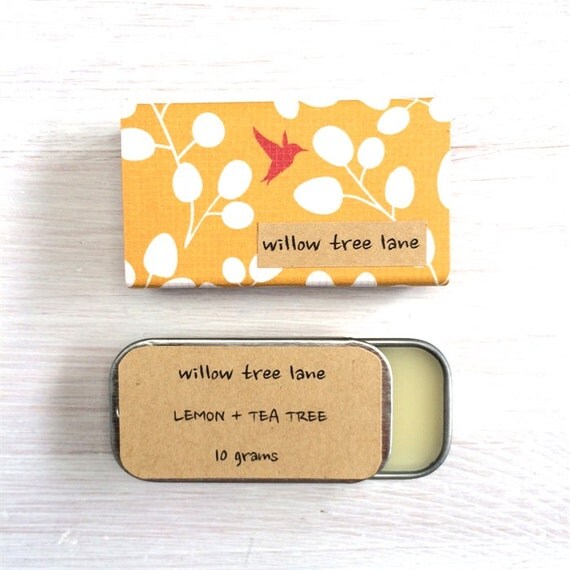
Natural Lip Balm -
 ($6.00 for 10g tin or part of Natural Skincare Gift Set $24.95)
Choose from Grapefruit and Lime, Orange and Peppermint, Lemon and Tea Tree or Lavender and Honey.
- Plant-Based - Handmade - Australian Made -


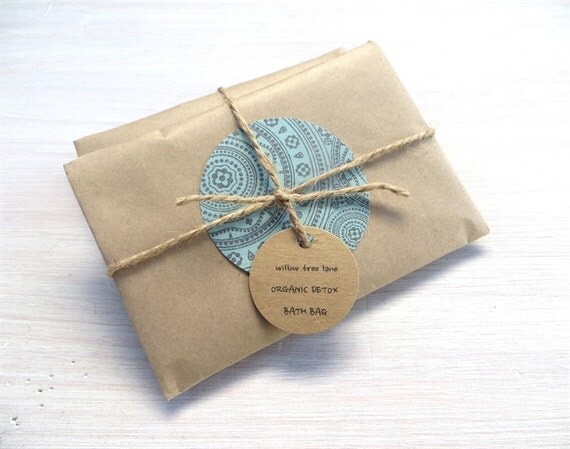
Organic Bath Bag -
 ($5.00 for 2 bags or part of Natural Skincare Gift Set $24.95)
Choose from a relaxing Herbal Bath Bag or a rejuvenating Detox Bath Salts Bag.
- Plant-Based - Handmade - Australian Made -


Sea Vegetable Soap -
Lush
($6.95 per 100g)
Made with seaweed with a crust of stimulating sea salt it smells of lime, lavender and seaweed.
- Plant-Based - Ethical - Eco-Friendly - Australian Made -


- I Love Juicy Shampoo -
Lush
($12.50 for 100g bottle)
Loads of cleansing organic papaya and kiwi with citrus oils for shine, toning and fruity fragrance. Washing with a fruit and seaweed mix removes grease and softens the hair.
- Plant-Based - Ethical - Eco-Friendly - Australian Made -


- Veganese Conditioner -
Lush
($13.95 for 100g bottle)
All-round lavender and lemon conditioner for all hair types using agar seaweed gel as a hair softener with lavender and lemons for shine.
- Plant-Based - Ethical - Eco-Friendly - Australian Made -


- Vegan Chocolate Truffles -
Constant Craving Chocolates
($2.50 each)
The finest quality ingredients are used to produce delicious and ethical chocolates which are completely free of animal products. Available in five delicious flavours - Scorched Almond, Apricot Dream, Coconut Rough, Coffee & Jaffa Delight
- Plant-Based - Local - Handmade -


Nibble Bags -
Nibble Co. Australia
($2.50 for 65g bag)
Made from the best quality ingredients available, utilising as much Australian product as possible. Plant-based options include Fruit n' Nut,  Nuts n' Grapes, Mm Mm Mmm & Mixed Roast
- Plant-Based - Local - 


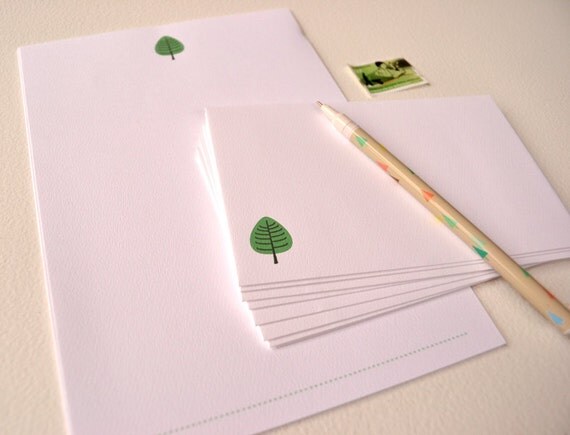
- Note Paper -
Paper Ivy
($8.00 for ten sheets or $32.00 for set with paper, cards & envelopes)
Archival quality paper is acid free made with wind-generated electricity using 30% post-consumer waste and carbon neutral.
- Plant-Based - Eco-Friendly - Australian Made -


Stainless Steel Drink Bottle -
Cheeki
($15.95 for 500ml bottle)
These stainless steel bottles are eco-friendly, safe to drink from and painted with bright and colourful non-toxic inks.
- Eco-Friendly - Reusable - Australian Company -


And the rest... 
Slippers (it's still a bit chilly here!), Face Cloths, Towels, Breath Mints & Tourist Brochures!


Friday, October 3, 2014

SMOKEY 4-SEED CRACKERS - GLUTEN-FREE + SUPER EASY

As much as I love baking up a homemade batch of sweet treats like cookies, cupcakes or muffins we are the worst for reaching for mass-produced, additive laden savoury snacks 'fresh' from the supermarket shelves. Even plant-based foods can be not-so-good-for-you when they have been processed within an inch of their lives so I have been keeping an eye out for easy, fast and delicious cracker ideas. When I spied Robyn's adaptation of the seed crackers from Oh She Glows I was instantly inspired to create my own version!


I really can't tell you how super-simple these crackers are to pull together - it honestly took me longer to spread the mix onto the baking tray than it did to make the actual mixture and even that was only a matter of minutes! I had the pan ready to go into my oven before it had even finished pre-heating. 

My version replaces the sea salt with tamari (or soy sauce, Braggs Liquid Aminos or even miso!), adds in some nutritional yeast for a delicious umami flavour and gets a little smoky kick from chipotle powder and smoked paprika! 

We've enjoyed these on their own, with dip (hummus is the perfect friend!), alongside big bowls of curried butternut soup and spread with peanut butter. They are a healthy grab-and-go alternative to store-bought options! Satisfying and packed with good things like omega 3, protein and calcium give them a whirl today!!


SMOKEY 4-SEED CRACKERS

* Gluten-Free Option * 
Adapted from Robyn's recipe
- Makes : 24 Large or 36 Small Crackers -
- Takes : 5 Minutes Prep
55 Minutes Cooking -

1/2 cup of chia seeds
1/2 cup pumpkin seeds
1/2 cup sunflower seeds
1/2 cup sesame seeds
3/4 cup water
1 Tbs tamari (for gluten-free) or soy sauce/Bragg Liquid Aminos
1 Tbs nutritional yeast
1 teaspoon cumin
1/4 teaspoon garlic powder
1/4 teaspoon chipotle powder
1/4 teaspoon smoked paprika

- Pre-heat your oven to 160C (325F) and line a baking sheet with parchment.

- Combine the dry ingredients (seeds, nutritional yeast & spices) in a medium bowl.

- Add in the water and tamari, stirring to combine well.

- Allow to sit for about 5 minutes until the liquid has been absorbed by the chia seeds. You may have a little liquid still pooled in the bottom, this is fine.

- Pour the seed mixture onto you prepared pan and use a spatula to spread it evenly to about 1/3cm thick*. 

- Bake for 30 minutes before slicing into your desired size crackers and gently flipping over. Bake for a further 25 minutes* until brown and starting to crisp up nicely.

- Remove from the oven and place crackers onto a cooling rack as soon as possible for maximum crispiness.

- These will keep in a sealed container for a couple of weeks (if they last that long!!)

*Recipe Note : My biggest suggestion when making these crackers is to either ensure that the edges don't taper off too much become way thinner than the rest of the slab or at about the 40 minute mark, remove the edge pieces which should be nicely browned and let the inner pieces continue to bake until equally as crispy!


Wednesday, October 1, 2014

PUMPKIN APPLE BREAKFAST BAKE - SINGLE SERVE + GF OPTION + NO ADDED SUGAR

I am not ashamed to admit to a small Pinterest obsession. I've lost hours upon hours scanning through beautiful pictures and fantastic ideas... But it gets rough when it seems like the whole Pinterest world is operating on a completely opposite schedule! Hanging out Down Under means that as my world starts to warm up and salads start to re-gain their appeal, Pinterest is alive with my Northern Hemisphere peeps getting their soups, stews and hot toddies on as the temperature drops.

First World Problems, right?

Glass half full though - As Fall begins 'Up North' so do the pumpkin recipes and my personal opinion is that anytime is pumpkin time!


Baking pumpkin is the quickest and easiest way for me to get my fill and it has the added bonus of also being the handiest way to get my mits on pumpkin puree - something that is rare as hens teeth in its canned form here in Australia. Baking pumpkin is so simple it can't even be considered a recipe. After pre-heating my oven to 200C (400F) I grab myself a chunk of pumpkin - butternut is my favourite! - and chop it into manageable pieces. If it's a small butternut I will just halve it. I scoop out the seeds (save them for roast pumpkin seeds if you're feeling fancy!) and place the pumpkin, cut side down, on a baking sheet lined with parchment. Using parchment means that I don't need to use any oil! 25 - 45 minutes in the oven (depending on the size of your pumpkin chunks!) and I have myself some delicious pumpkin action! I will top it with savoury foods (beans, rice, veggies) or even sweet (nut butter, fruit, cereal) and before I know it all my pumpkin is gone! To get pumpkin puree I will either mashed it with a fork for a quick but not so smooth version or pop it in a processor for the super creamy version!

When I spied Amanda's recipe for Pumpkin Pie Breakfast Bake pop up on her blog Running with Spoons I Pinned it ready for a weekend breakfast extravaganza! I got home from my Saturday morning run starving and ready to get my pumpkin on! I pre-heated the oven while I mixed the ingredients and popped it into bake while I de-stinked with a shower. Perfect post-run pumpkin breakfast - carbs, protein, deliciousness, fast - YUM!


PUMPKIN APPLE BREAKFAST BAKE

* Gluten-Free Option * No Added Sugar
Adapted from Amanda's Recipe
- Makes : 1 Serve -
- Takes : 30 Minutes -

¼ cup rolled oats (use gluten free for the GF option)
2 Tbs coconut flour
2 Tbs chickpea flour
¼ tsp baking powder
½ tsp cinnamon
¼ tsp ground ginger
¼ tsp nutmeg
¼ tsp ground cloves
pinch of salt
½ tsp almond extract
¼ cup baked pumpkin
¼ cup unsweetened almond milk
½ apple, cored and sliced
nut butter or tahini for serving
more cinnamon (or cinnamon sugar) for serving

- Pre-heat oven to 180C (350F) and grease a small oven-proof bowl or ramekin with oil.

- In a medium bowl combine the oats, coconut flour, chickpea flour, baking powder, the spices and the salt.

- In a separate small bowl mash the pumpkin with a fork before adding the almond milk and almond extract. Add the wet ingredients to the dry and mix well. 

- Spoon the mixture into the prepared ramekin and bake for 20 minutes. Transfer the bake into a bowl if your ramekin is quite full. Add the sliced apple and nut butter/tahini (my favourite!) before sprinkling with cinnamon (or cinnamon sugar for some added sweetness!) and devouring from post-run starvation!

- Recipe Note : You'll notice there's no added sugar in this recipe (unless you use the cinnamon sugar for sprinkling!) I find that the coconut flour and the apple provided enough sweetness for my tastes but feel free to add 1 Tbs of your preferred sweetener to the wet ingredients as per Amanda's original recipe.


Saturday, September 27, 2014

FOODS WITH CULTURE : D.I.Y SCOBY and HOME BREWED KOMBUCHA


"Okay, okay, we get it Kristin - You're cheap and don't like paying the exorbitant prices charged for trendy health foods!!"

Yes, it's the same story again... Girl finds healthful product, Girl falls in love with how the product tastes and makes her feel, Girl slowly goes broke funding new love!

OR

Girl gets all #homemade on the world's a** and makes her own, saving herself mega $$$ in the process! 

Hello Homemade Kombucha!

Kombucha is a naturally fizzy, fermented tea drink (either black or green tea can be used) that originated in China. It's brewed using a SCOBY - a Symbiotic Colony Of Bacteria and Yeast - which is where the tummy-friendly bacteria come from!

While there have been no formal studies into the benefits of kombucha the word on the street is that the beverage, as well as being super-tasty, can help boost your immune system, has anti-viral properties and improves digestion!

When it comes to making your own Kombucha you have two choices - buy a SCOBY mother or make your own. Googling 'Buy SCOBY mother in (Your Area)' will provide you with plenty of options but for me I wanted to experience the whole process from Go to Whoa so I went with growing my own mother.


I used the instructions at Bonzai Aphrodite for growing my SCOBY from a store-bought bottle. Sayward has kindly provided amazing, in-depth instructions on the whole kombucha creation process - I'm so grateful to bloggers like her that are so willing to share their knowledge and experience so we can all learn! Rather than 'borrow' her instructions and write them here I would love for you to pop by her blog to get the details and the see all the other fantastic content she has created. 

Bonzai Aphrodite Links


I quickly learnt that the most important thing in the SCOBY and kombucha making process is cleanliness! Sterile glassware and clean hands are important because, at the end of the day, we are dealing with home-brewing and bacteria here! There have been some cases of illness and even death resulting from allergic reactions and bad batches of kombucha. Take some time to educate yourself on the potential dangers of kombucha if you are consuming the beverage regardless of whether you are brewing your own or buying it from a shop!


The SCOBY growing process takes around 2-3 weeks depending on how warm it is in your area. We were at the tail-end of winter when I grew mine so it took closer to three weeks.


If you have the time I can't recommend growing your own SCOBY highly enough - It's an amazing thing to watch!! I was fascinated to see the mushroom of culture bloom... Danny, on the other hand, was absolutely mortified!


Once you have your SCOBY, whether you buy or grow your own, you can brew your kombucha. You'll need a large jar with a wide-mouth opening, tea, sugar (I've used brown and white sugar with excellent results) and your mother. There is some debate around whether or not you can use flavoured tea. Some thoughts are that the oils that is sometimes used in flavoured teas can interfere with or destroy your SCOBY. Either way, you can use black or green,  but make sure it's caffeinated. I erred on the side of caution with my first batch and used a combination of plain green and green with jasmine petals. Another important point is to avoid any metal during any part of the brewing! Your SCOBY and metal are not friends!


The hardest part of the kombucha brewing process is the waiting! Mine took almost three weeks to develop that 'fizz'. Again, if you are in a warmer area this will happen faster for you. Taste it every few days or so by pouring a small amount into a cup. You are aiming for some fizz and not too much sweetness - the bacteria feed off the sugar you used in the original brew so it shouldn't be anywhere near as sweet as it was to start with. Don't drink straight from your brewing vessel - this can introduced bad bacteria to the mix and ruin your mix and your SCOBY.

You'll notice during the brewing that your SCOBY breeds! 


The 'Mother' creates a 'baby' that are kind of fused together. When you are happy with your brew remove the mother and its baby. Here you can decide if you are going to keep a 'mega SCOBY' or separate them. If you choose to separate you will be able to stagger your brewing so that you will ALWAYS have kombucha!! Place your SCOBYs into sterilised jar/s and add enough kombucha to cover. These can then be stored in your fridge - apparently they can live happily in there indefinitely!?  Then it's down to the bottling! You'll need sterilised bottles - the easiest way to get them clean enough I've found is to run them through a dishwasher - a short (but hot) wash without detergent is all you need. You might want to grab a funnel too!


And there you have it! Your very own Kombucha!! It takes a bit of time and care but the results are delicious, healthful and much, much more economical than shelling out $4-$5 a bottle! Get a new batch going the same day you bottle and you'll be able to keep the kombucha flowing!


Interested in more Fermented Food Fun? 
Check out our other Foods With Culture posts 

Tuesday, September 23, 2014

FOODS WITH CULTURE : VEGAN 'TAKE TWO' YOGURT


Up until a year or so ago the only plant-based yogurt products you could get in my local area were highly processed, not-so-tasty, uncultured yogurt-like substances. Generally they offered nil in the way of nutritional benefits. Then, out of nowhere, the plant-based, probiotic-rich yogurt market took off and all of our local health food haunts were fully stocked with options! They were delicious, filled with health benefits and - like all new and trendy products - had a price tag that matched their popularity. My favourite Coyo Coconut yogurt would generally set me back $12.00 for a 400g tub! 

When I started to learn more about fermenting foods I was excited to learn how 'easy' it was to create my own plant-based yogurt! I could see our bank account balance growing right before my eyes and my happy little gut bacteria singing with joy!

I put easy in inverted commas not by accident but because it was the first of my fermented food experiments to #fail!


My first ingredient combination was store-bought almond milk as the non-dairy base and corn flour (corn starch) for the thickener. I chose this brand of almond milk because I am lazy it was the closest to 'homemade' in terms of ingredients that I could find in our nearest supermarket. I noticed Sayward's instructions mentions that she used homemade almond milk and had tried using maple syrup as a sweetener with no luck so I wasn't sure if the agave in the almond milk I bought would have a negative effect. 

I was *rewarded* for my laziness with a thin, chalky jar of white liquid that refused to develop that yogurt-y tang despite fermenting for well over 24 hours. I blamed the failure on two main things - the use of corn flour as a thickener (which caused the chalkiness) and the agave syrup within the almond milk that interrupted the feeding of the bacteria.

But I really wanted yogurt so I wasn't ready to throw in the towel yet!


'Take Two' involved full-fat coconut milk for the non-dairy base and chia seeds as the thickener at the recommendation of one of the commenters on the Bonzai Aphrodite post. I lightly heated the coconut milk to pasturise before cooling and then mixing through my 'culture' - A dairy-free Inner Health Plus probiotic capsule.


I wrapped it up and popped it into my pre-warmed slow cooker and then bundled it all in one big trip hazard lump! Then there was the waiting, waiting, waiting... 


At 18 hours I pulled my precious jar of 'Take Two' and gave it a taste...

Hallelujah!

There was a yogurt-y tang developing, the liquid was thickening nicely and the taste was Deeeee-licious! I wrapped it back up and sat it in a warm location for another few hours to create maximum tang before putting it in the fridge to cool and reach full thickness.


VEGAN 'TAKE TWO' YOGURT

- Makes : About 3 cups -
- Takes : 30 Minutes Prep
18-24 Hours Fermenting
3 Hours Cooling -

Adapted from this method via Bonzai Aphrodite

I used an Inner Health Plus - Dairy Free probiotic capsule to create my first batch and then kept a few tablespoons of that batch to make the next. See the original instructions at Bonzai Aphrodite for more information on starter options and how much of each is needed. 

What You'll Need
800ml (2 cans) full fat coconut milk
 1tbs chia seeds
1tbs brown sugar
1 vegan probiotic capsule

- In a small pot combine the coconut milk, chia seeds and sugar. Lightly and slowly heat the mixture to around 80C (175F) to pasturise the mixture - take care to not boil the milk! Set aside to cool.

- Whilst the milk mixture is cooling heat your slow-cooker on low. To make the wrapping easier later you can set your slow cooker in the middle of a blanket while it's heating now but don't do this if you will be leaving the house to avoid any risk of fire.

- After a couple of hours your milk mixture should be cooled enough - you want it 30C (85F) or lower so you don't kill the friendly bacteria in your starter. Break open your probiotic capsule and pour the contents into the milk and mix well. Pour into a large jar with a loose fitting lid (or cover it with a clean dish towel and secure with a rubber band)

- Wrap the jar in a towel, place it in the slow-cooker and put on the lid. Switch off the slow-cooker and wrap the whole kit and kaboodle in a blanket. Set somewhere out of the way for 18-24 hours and taste for tanginess - this is your sign that the fermentation has worked and the happy little buggies have done their work!

Don't have a slow-cooker? 

Some people in warmer locations have had success with culturing their yogurt by simply wrapping it and setting it somewhere warm.
You could also pre-heat an oven on a low temperature, turn it off and place your towel-wrapped jar in there for the recommended time.
Danny's Mum used to culture her homemade dairy yogurt behind their wood heater and what about a hot-water bottle included in a blanket bundle with your towel-wrapped jar?


Interested in more Fermented Food Fun? 
Check out our other Foods With Culture posts 


Sunday, September 21, 2014

FOODS WITH CULTURE : SPICY HOMEMADE KIMCHI


Kimchi - to the uninitiated it might sound more like a new form of martial arts. Instead it is a side-dish of spicy fermented vegetables originating from Korea that is packed full of health benefits and deliciousness! The earliest kimchi concoctions were made with cabbage and beef stock - not so delicious in my opinion - but these days the varieties are endless and much more plant-based friendly although many traditional recipes use fish and shrimp sauces depending on the region of Korea they hail from. 


Because of its high vegetable content kimchi is high in fibre and low in calories. It alos packs a wallop of important vitamins and minerals including vitamins A, B1, B2 and C, along with iron and calcium. And, of course, there is the all-important lactic acid bacteria that is generated via the fermenting process and is what makes it so gut-friendly!

As part of my obsession with all things bred with bacteria fermented I tentatively tried some store-bought kimchi. I say tentatively because really, compared to unassuming and friendly looking sourdough and kombucha, fermented vegetables can seem a little scary and not so tempting. Sometimes being wrong is a beautiful thing! But my favourite Peace, Love & Vegetables brand of spicy kimchi would soon have me filing for bankruptcy if I continued buying it at the rate I was - it was deliciously expensive!

I did some research into making my own spicy kimchi and found, as with most fermented foods, the real challenge with making my own would be in the waiting - it takes about a week for it to ferment (pretty short in fermenting standards!). The actual method was fairly simple - As long as you don't mind weilding a knife for 15 minutes for some serious veg chopping that is!


You will need a huge bowl because to start with, your vegetables are going to take up a lot of space. After all that chopping comes the massaging. In order to get the vegetables to breakdown you need to add some salt which draws out their natural moisture. By kneading and pressing them you make sure the salt gets in there good and proper! You'll notice the veg volume reduces significantly.


After pummeling the veg for a few minutes some liquid was starting to pool in the bottom of the bowl. I put a weighted plate on top for about ten minutes to let the process finish.


Give your vegetable mix a taste at this stage. You want to assess the salt levels - you want it to be enjoyably, not overwhelmingly salty. Then I added in my all important spices and flavours - here's where your kimchi can get a bit of personality. The most common seasonings traditionally used are garlic, ginger and chilli and I also put in some coriander seeds (not very traditional but super delicious!)


Give it another pummeling to mix the spices through and give it a chomp if you like. Ensure the seasonings are to your liking but be prepared to have some pretty stellar garlic breath for a few hours later!

Now it's time to 'jar-up' - The important points here are that your vessel is big, very clean and that none of the vegetables are exposed to the air. If after putting your mixture into the jar the liquid doesn't fully cover the vegetable mixture entirely, add in some water until it does. Any vegetables exposed to the air will rot instead of ferment and this is not good. I covered my veg with a cabbage leaf I held aside to help hold it down and then weighted it all down with a clean jar filled with water. Other ways to weight the veg down include covering it with a plate with something heavy on top or a plastic bag filled with clean stones.


SPICY HOMEMADE KIMCHI

- Makes : Around 4 cups -
- Time : 20 Minutes Prep, 15 Minutes To Rest, 1 Week to Ferment -

Let's face it, your kimchi will probably break with tradition - mine certainly did! Kimchi is the national dish in Korea and they take it pretty seriously so don't get too caught up with matching it with the pros, instead make you kimchi your own by adding in spices, seasonings and vegetables that you love - although cabbage is a must!

1 head cabbage, shredded
(Napa is traditional but I used regular)
1 bunch Chinese cabbage, shredded
2 carrots, grated
5-8 radishes, sliced thinly
3-5 teaspoons sea salt
4 cloves garlic, minced
4cm ginger, grated
1tbs coriander seeds
1/2tbs chilli flakes

- Place all your vegetables in a very large bowl and sprinkle with salt. Err on the side of caution, starting with one teaspoon per kilo of vegetable matter. It's easier to add than subtract!

- Starting slowly to avoid any veggie overflow begin to squeeze and knead your vegetables. You will notice then start to soften and release water and like magic, there will be more room in your bowl - It's a veggie breakdown baby!

- Once you've got a good puddle of liquid formed in the bottom of your bowl pop a weighted plate on top and allow it to sit for ten or so minutes to release even more water. Come back, taste for saltiness and adjust as required.

- Add your seasonings and pummel the mixture for a few more minutes to ensure the flavours are well incorporated.

- Place the whole concoction into a large, wide-mouthed jar (I used my hands but feel free to be civilised and use a spoon). Check the liquid levels - you want all the veg completely covered to avoid any kimchi destroying veggie rot. Add water if required.

- Weigh the mix down to stop any floating vegetable matter making its way to the surface during fermentation (see suggestions above) and cover with a clean cloth before securing with twine or a rubber band.

- Place your kimchi somewhere warm-ish and clean to do its thang for about a week, checking on it daily to make sure no veg is exposed to the air and maybe even giving it a taste. Once it's to your liking pop it in the fridge where I hear it can live indefinitely but, let's face it, it's not gonna... If you're anything like me your jar of delicious will have disappeared in the blink of an eye!


Serving Suggestions : Some great ways to enjoy your kimchi are - Kimchi Bokkeumbap (Kimchi Fried Rice), in kimchi stew, inside dumplings, in these delicious kimchi tofu summer rolls or just plopped on top of pretty much anything.


Interested in more Fermented Food Fun? 
Check out our other Foods With Culture posts
The Low-Down on Fermented Nosh -
Speedy Sourdough & Sourdough Baguettes -
Vegan 'Take Two' Yogurt -
DIY SCOBY and Homemade Kombucha -